Spline

Feb 2022 - Sept 2024

Project overview

What is it?

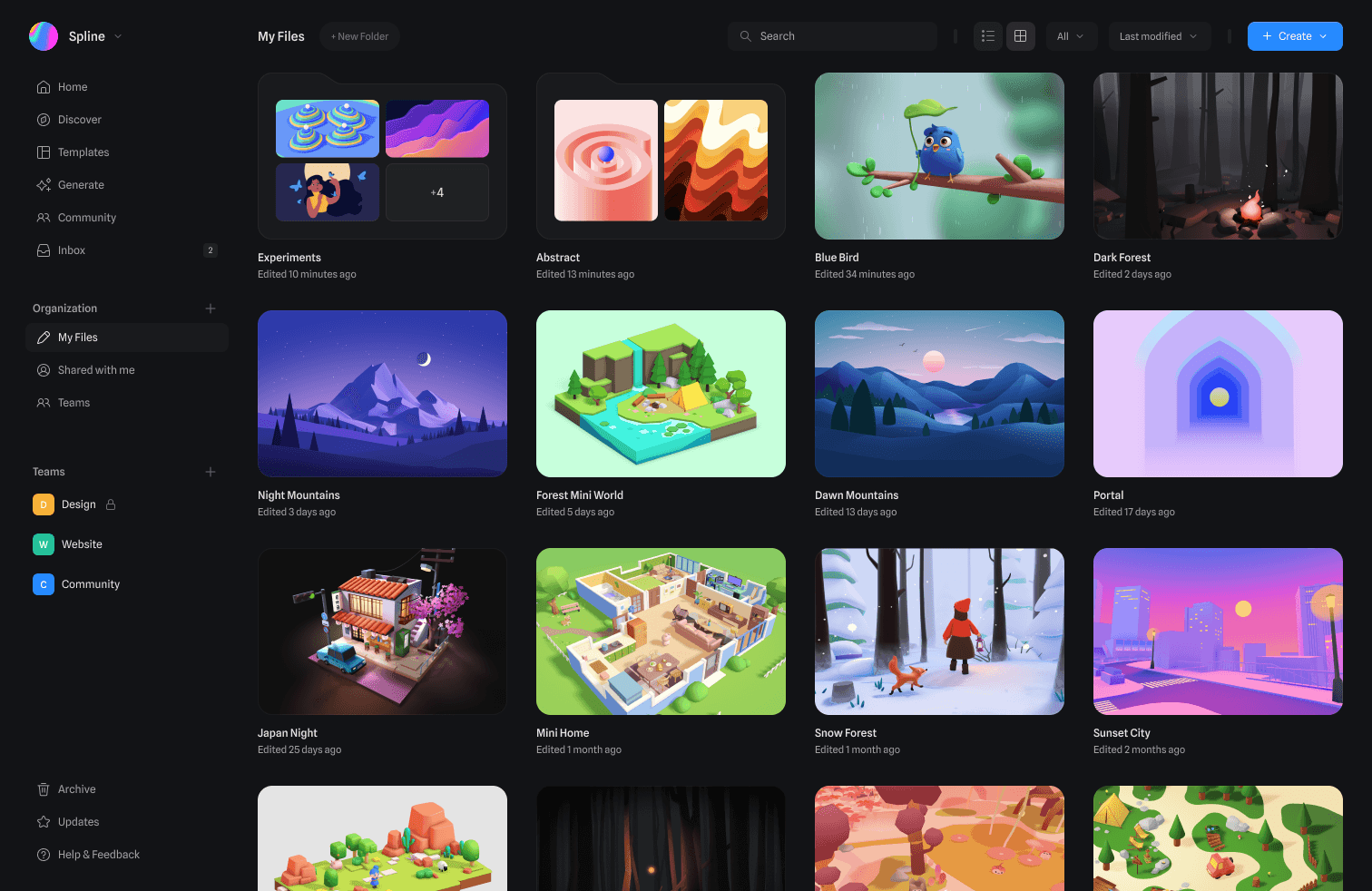
Spline is a 3d design tool in the web.
Role

I worked as a Product Designer focused on validating and launching complex 3D features across the app, web, and platform integrations. My role sat between product design, engineering, and community, helping ensure new capabilities were usable, performant, and ready before public release.
Because many issues in 3D products only surface when features are used inside real scenes, this role became critical to de-risking launches and supporting confident product decisions. I supported early feature validation, reproduced and diagnosed complex bugs, contributed to launch and educational content, and explored new workflows that extended 3D beyond the editor into real production environments.

Design challenge

Designing and launching 3D features introduced challenges that couldn’t be solved through static designs alone. Many usability and performance issues only appeared when features were tested in real, interactive scenes, making late discovery especially costly. At the same time, users needed concrete, real-world examples to understand how new capabilities fit into their projects.
In addition, experimental features and complex user-reported bugs required early validation to determine what should ship, what needed improvement, and what should be cancelled altogether. Addressing these challenges required a process that combined hands-on testing, close collaboration with engineering, and continuous feedback from real user scenarios.

Key contributions

01 · Early feature validation & feature launches

Some new features looked promising in theory but were hard to use or unstable in practice. The goal is to reduce risk and improve quality before launch.
I tested new 3D features using real, production-like scenes to understand how they behaved in practice. These tests surfaced usability issues, performance bottlenecks, and edge cases that were not visible in static designs. Insights from this work helped the team refine interactions, simplify experiences, and prioritize fixes before launch.


In several cases, this validation work influenced whether features were ready to ship at all. Some features were intentionally cancelled before public release due to poor usability or instability.
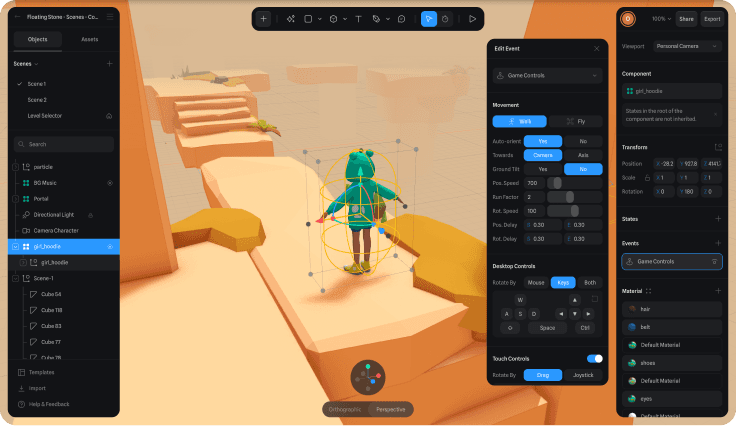
Game control
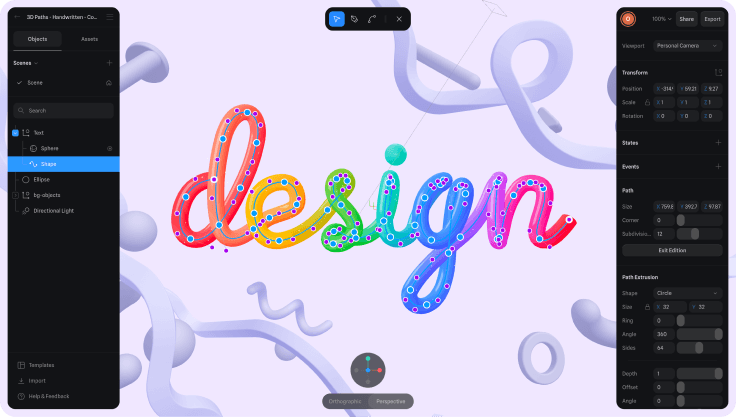
3D path
I also created high-quality scenes used for feature launches and community activities, helping users understand how new capabilities worked in real projects and improving feature adoption after release.

02 · 3D on the web & ecosystem growth

As part of expanding 3D beyond the editor, I explored end-to-end workflows for embedding 3D scenes into websites. This work focused on performance, usability, and integration constraints in real production environments.
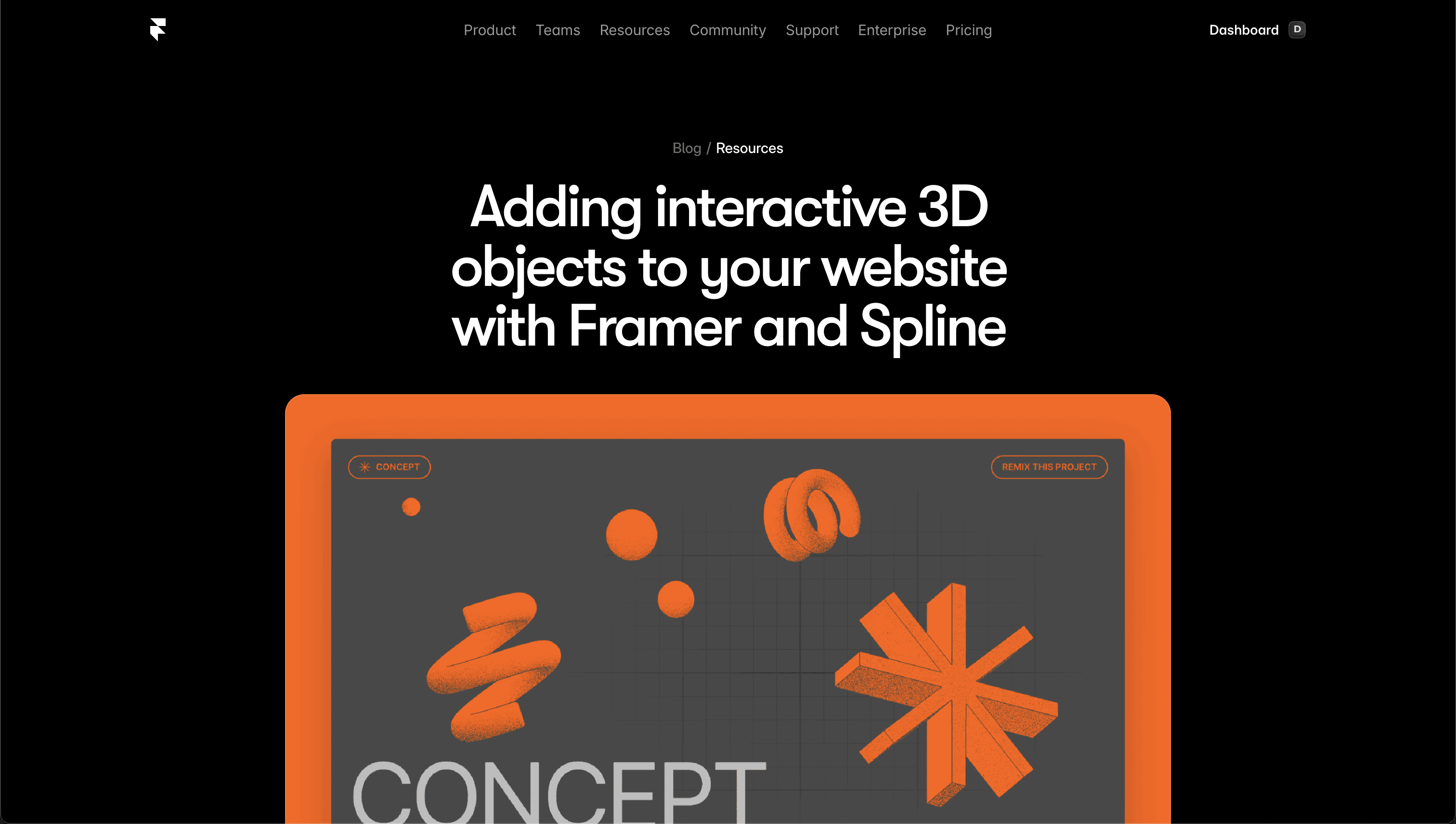
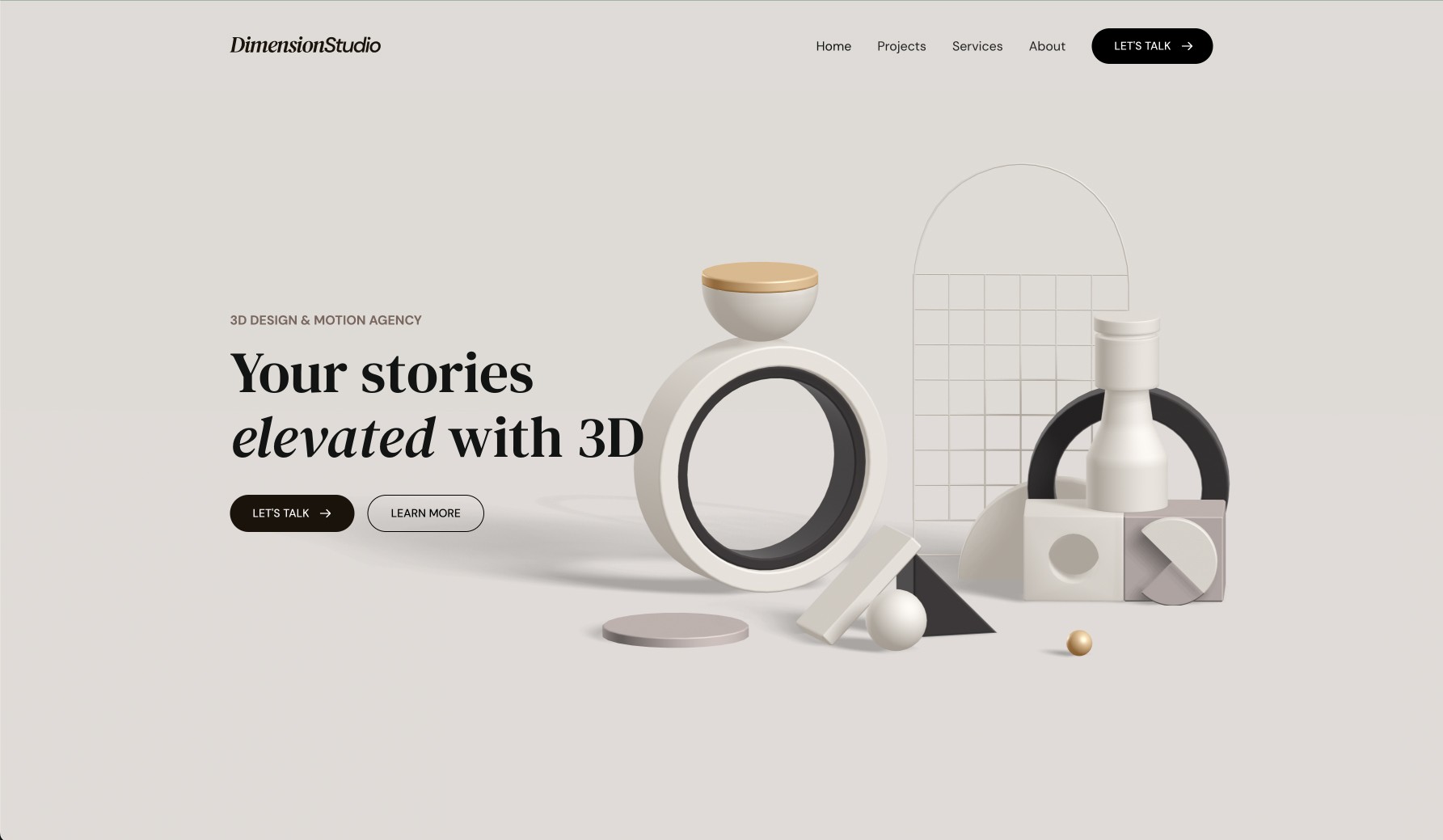
I tested and validated 3D embeds within Webflow and Framer projects and collaborated with partner companies on deeper integrations. Findings from this work influenced new product features and helped open up new use cases where users could confidently use 3D in real websites, contributing to ecosystem growth and attracting new users.
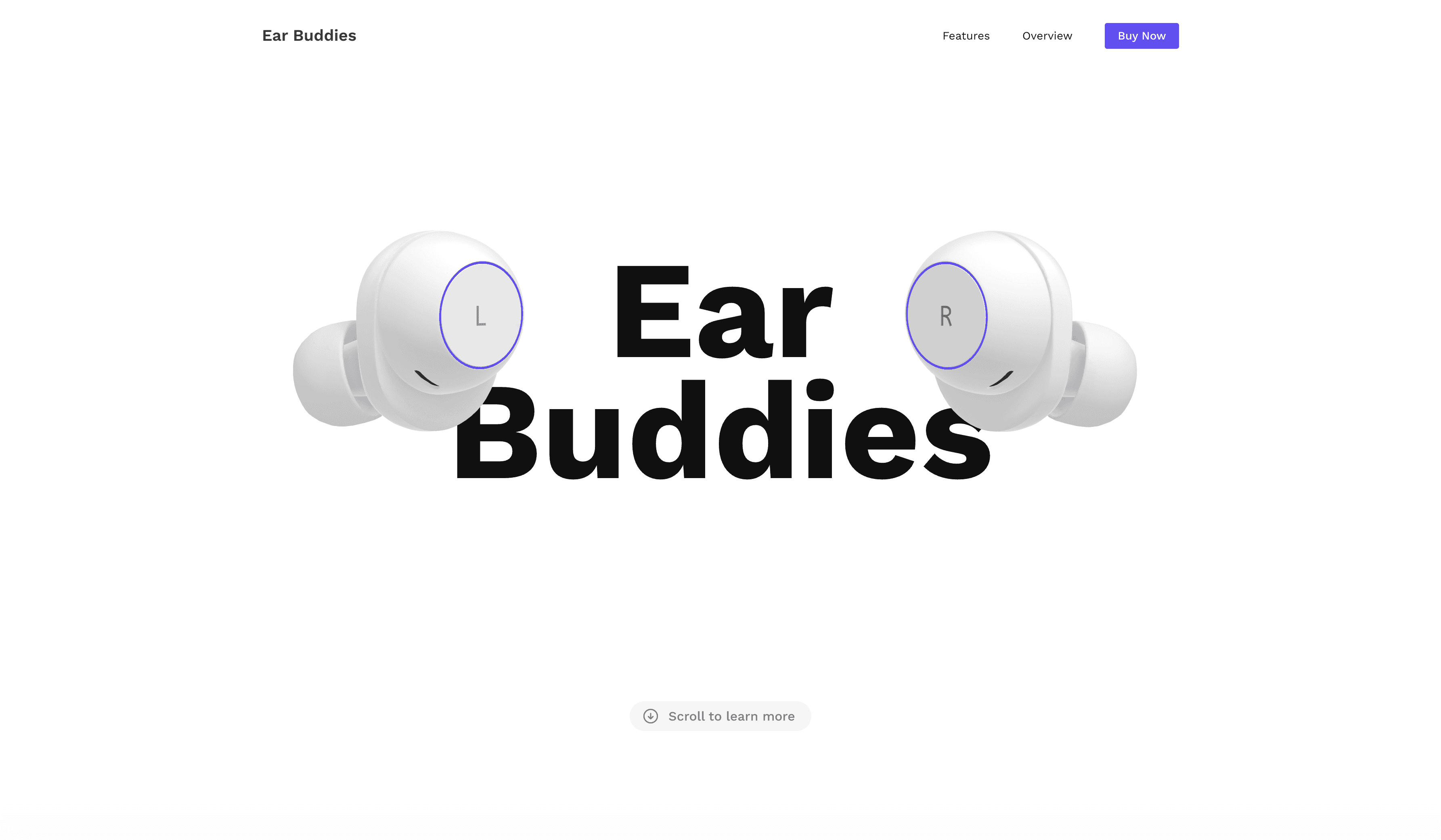
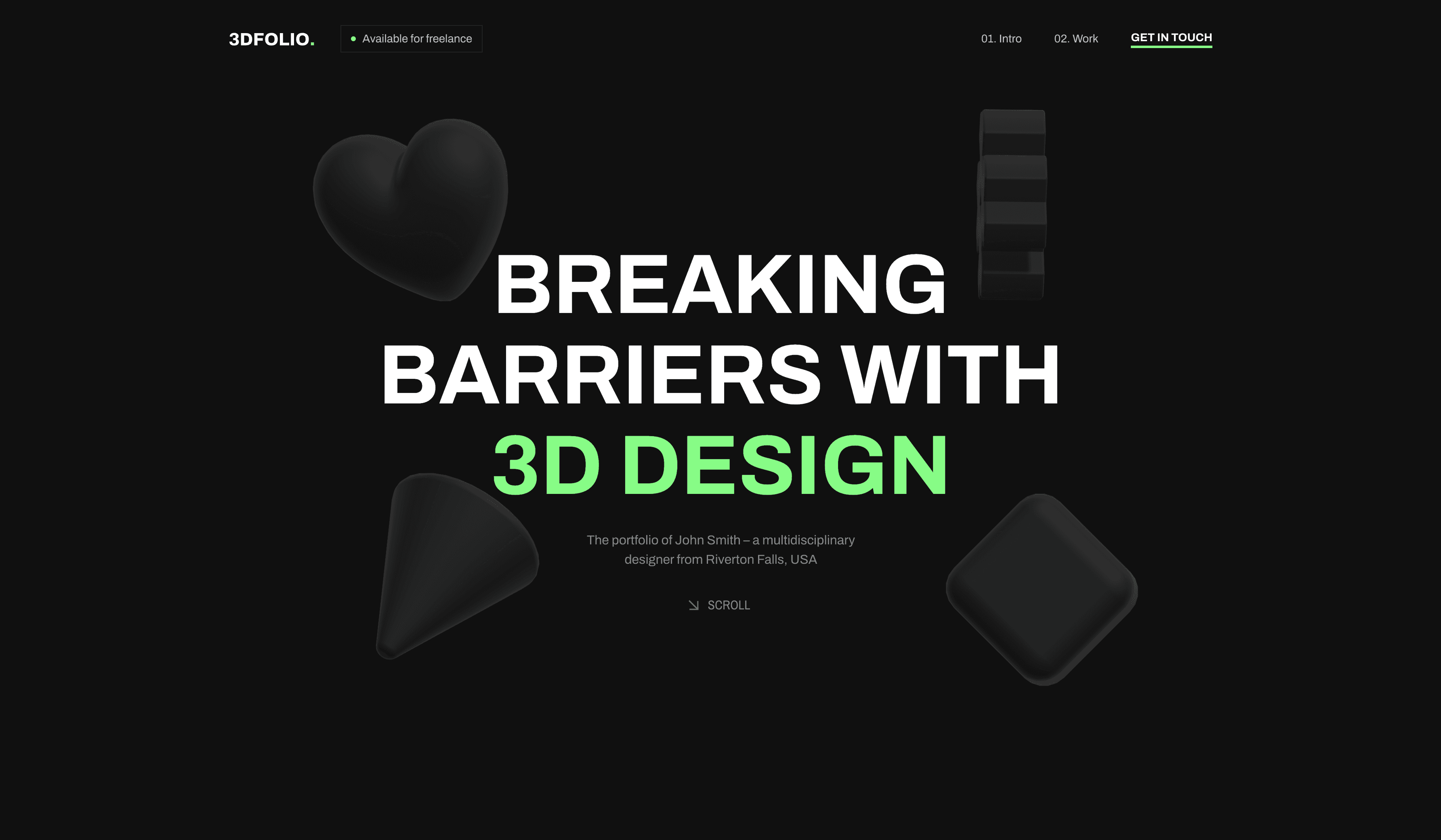
3d website demos:

03 · Platform expansion (iOS, macOS, VisionOS)

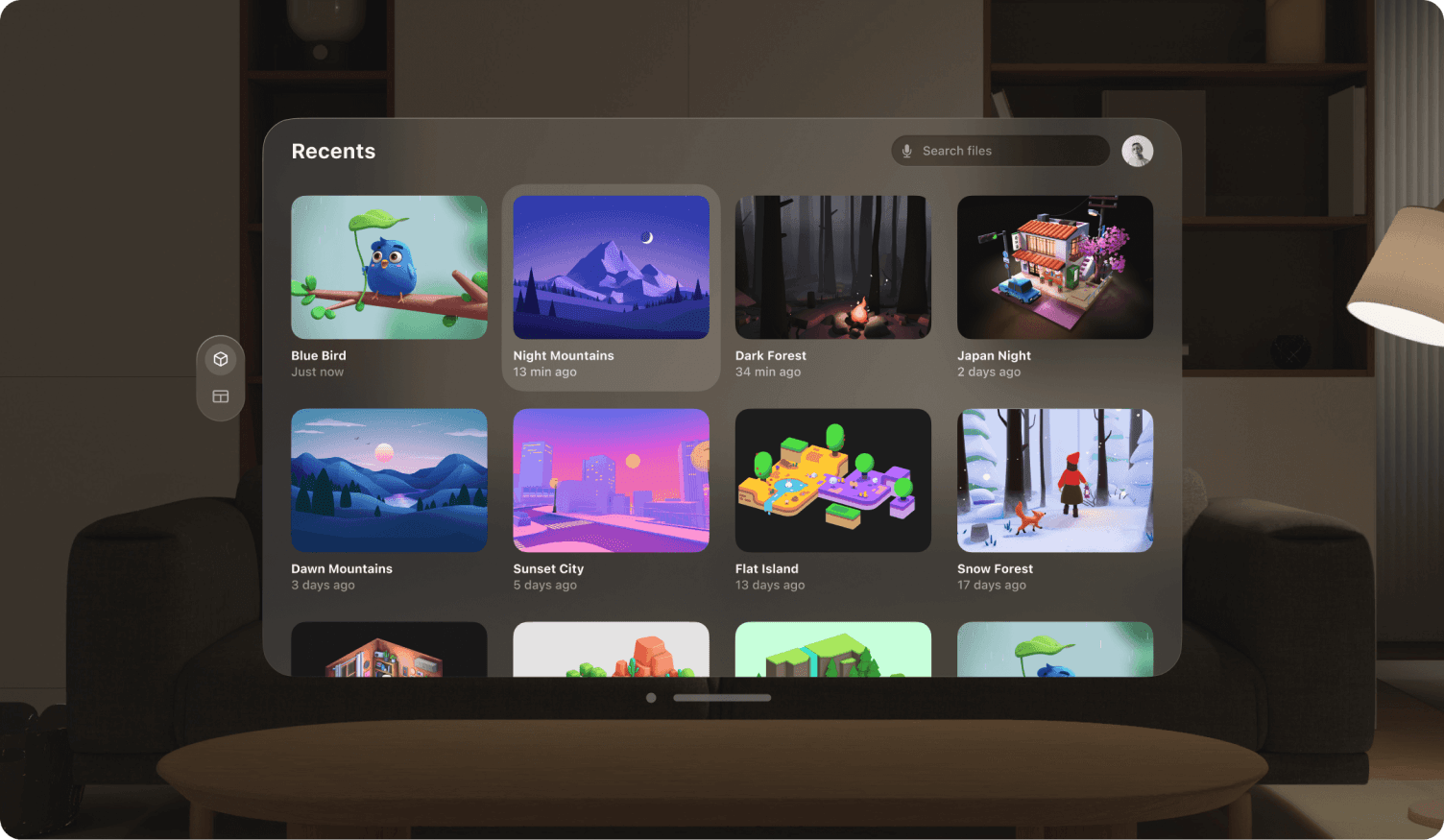
As Spline expanded into native platforms, I supported the validation and launch of 3D features across iOS, macOS, and VisionOS. I tested how scenes translated from the editor into native app experiences, focusing on interaction behavior, performance, and platform-specific constraints.
This work surfaced differences in input models, rendering, and scene structure, especially for spatial experiences on VisionOS. Insights from these tests informed product decisions, prioritized fixes, and shaped how app generation and native workflows were presented to users, enabling Spline to extend beyond the browser into real, deployable applications.

04 · AI features

I worked on validating AI-driven features such as 3D model and texture generation, focusing on making AI outputs usable and trustworthy within existing workflows. Using real scenes, I tested output quality, consistency, and how generated assets integrated with manually created content.
This work helped clarify where AI added real value and where additional control or refinement was needed, shaping how AI features fit into the product and supporting a more practical, user-centered approach to AI-assisted creation.

05 · Bug reproduction from real users & support

When users encountered complex bugs in their own scenes, I recreated those environments internally to isolate the issue. By systematically reproducing problems, I was able to identify root causes and provide clear reproduction steps to engineers.
This approach reduced back-and-forth between teams, improved fix turnaround time, and helped maintain product stability for existing users. Supporting users directly also provided valuable insight into how features were actually used, informing future design decisions.

Impact

This work reduced risk across the product development process by surfacing usability, performance, and stability issues early. Validating features in real scenes helped the team improve quality, simplify interactions, and avoid launching experiences that were not ready. Launch and ecosystem work supported feature adoption and unlocked new production workflows, contributing to a more stable, usable, and scalable 3D product.